Before filing
Test the claim and forum
Evaluate contracts, facts, standing, jurisdiction, venue, remedies, defenses, preservation, and pre-suit requirements.

Bodily injury is physical harm to a person from a crash, a fall, unsafe property, a defective product, an animal attack, or a death. Verum Law represents people and families in car accidents, catastrophic injury, bus accidents, dog bites and animal attacks, hotel and resort injuries, product liability, premises liability, wrongful death, traumatic brain injury, and slip and fall.
The Matter
Commercial litigation turns a business conflict into claims, defenses, evidence, and remedies governed by court rules. Strategy should remain anchored to both the procedural record and the client’s business objectives.
Before filing
Evaluate contracts, facts, standing, jurisdiction, venue, remedies, defenses, preservation, and pre-suit requirements.
During the case
Use pleadings, document discovery, testimony, admissions, expert work, and motions to define and test disputed issues.
Toward resolution
Assess negotiated terms against cost, uncertainty, enforceability, business impact, trial preparation, and appellate options.
The strongest path may change as the record develops. Early positions should be supported but flexible enough to account for discovery, rulings, business developments, and settlement information.

The complaint, answer, counterclaims, defenses, and amendments frame the requested relief and issues to be proved.
Contracts, communications, data, financial records, witnesses, and experts create the evidence that supports or challenges each position.
Court rules, scheduling, jurisdiction, venue, motion practice, confidentiality, and preservation shape how the dispute proceeds.
Damages, injunctions, fees, collectability, disruption, precedent, and relationship consequences inform decisions.
The relevance and legal effect of each factor depend on the documents, parties, governing law, and procedural posture. This framework is general information, not a conclusion about a specific matter.
Terms You May Hear
Common procedural concepts in plain language. The forum’s rules and orders control any particular case.
A request to dispose of claims based on asserted legal or pleading deficiencies before factual adjudication.
Commercial litigation follows a formal sequence, but investigation, motion practice, discovery, negotiation, and trial preparation often overlap.
Discuss Your SituationCollect the contract and business record, interview witnesses, secure data, and address preservation and insurance.
Analyze elements, remedies, counterclaims, jurisdiction, venue, procedural requirements, and likely responses.
Prepare or answer the operative pleadings and address early motions or amendments.
Exchange relevant information, take testimony, work with experts, and resolve appropriate discovery disputes.
Use motions, evidentiary analysis, exhibits, witness preparation, and trial planning to narrow or present the case.
Document any resolution or proceed through judgment and evaluate available post-judgment or appellate steps.
Explore related services for contracts, owner disputes, fiduciary claims, and ongoing business counsel.
Explore Practice AreasVerum Law represents individuals and businesses in civil litigation and transactional matters across Florida.
Bodily Injury: 10 services
Bodily injury is physical harm to a person from a crash, a fall, unsafe property, a defective product, an animal attack, or a death. Verum Law represents people and families in car accidents, catastrophic injury, bus accidents, dog bites and animal attacks, hotel and resort injuries, product liability, premises liability, wrongful death, traumatic brain injury, and slip and fall.








A Fort Lauderdale firm representing Florida individuals and businesses in civil litigation and transactional matters, from the first consultation through appeal.
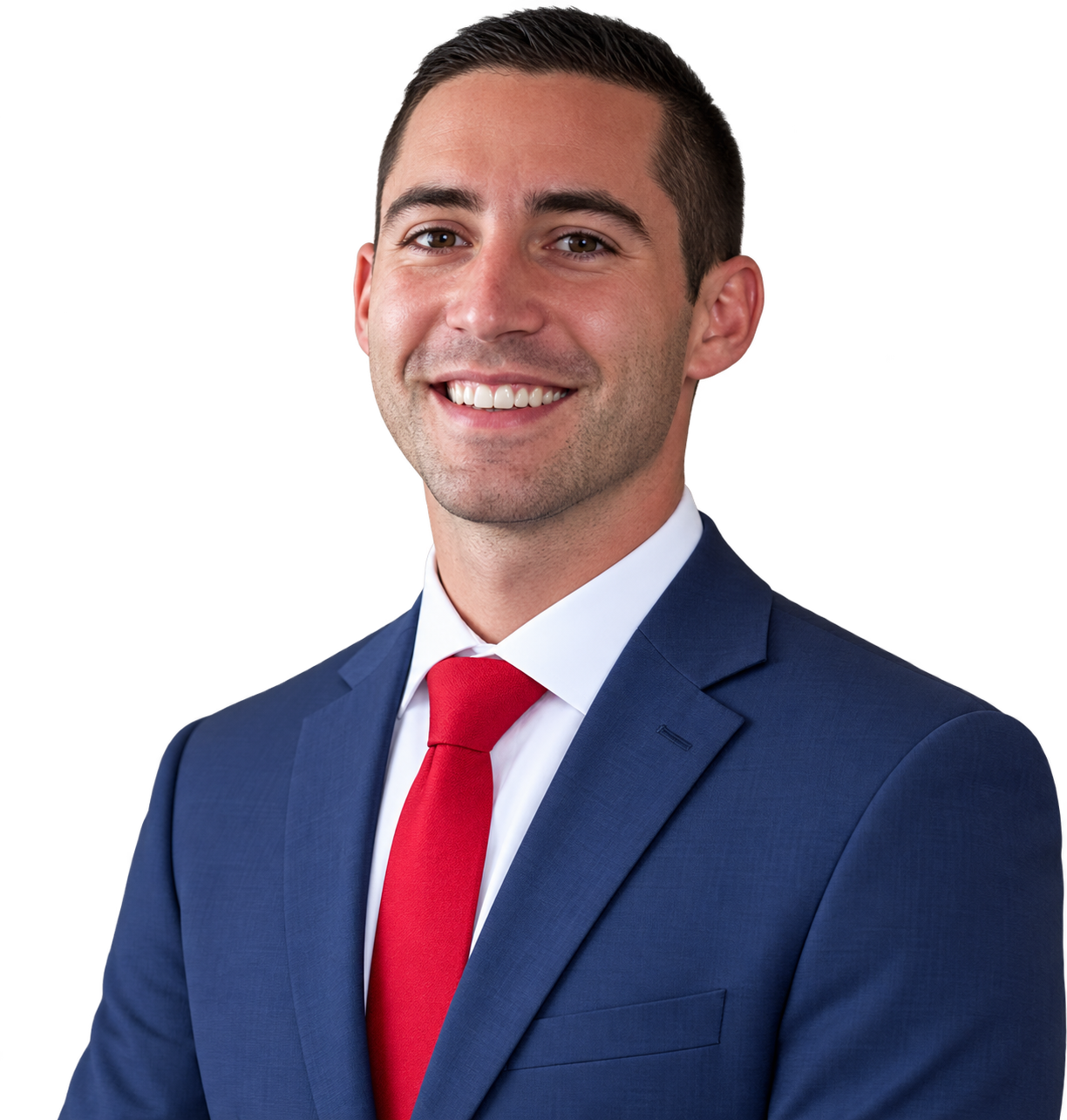
Charles Possino is the founding and managing partner of Verum Law, PLLC. His practice focuses on civil litigation, commercial and contract disputes, business entity formation, and ongoing counsel for entrepreneurs and growing businesses.
He has handled breach of contract, indemnification, fraud, and professional liability matters in Florida state and federal courts, from dispositive motions through trial and appeal, including a favorable decision before Florida’s Sixth District Court of Appeal.
General orientation only. Procedures, deadlines, evidence, and remedies depend on the forum, court orders, claims, and current law.
Free Case ConsultationCounsel may investigate, preserve evidence, review pre-suit duties, assess forum and remedies, communicate with the other side, and evaluate resolution.
Pleadings frame claims, defenses, and requested relief. They are not evidence by themselves, but they define much of the case’s formal scope.
Discovery scope is controlled by applicable rules, relevance, proportionality, privileges, protective orders, and case-specific rulings.
Protective orders, sealing rules, redaction, and targeted discovery may provide safeguards, but confidentiality is not automatic in court proceedings.
They can occur before filing, during discovery, at mediation, before trial, or later. Preparation and new information can change settlement evaluation.
No. Collectability, insurance, liens, insolvency, enforcement procedure, appeals, and settlement terms can affect practical recovery.