
At the location
Identify people, animal, and property
Record owner or keeper information, photographs, witnesses, address, signage, restraint conditions, and responding agencies when safely possible.
Bodily injury is physical harm to a person from a crash, a fall, unsafe property, a defective product, an animal attack, or a death. Verum Law represents people and families in car accidents, catastrophic injury, bus accidents, dog bites and animal attacks, hotel and resort injuries, product liability, premises liability, wrongful death, traumatic brain injury, and slip and fall.
The Matter
An animal attack record may include the injury, the animal and owner, the location, warnings or restraints, witness accounts, prior information, reports, medical treatment, and insurance.
At the location
Record owner or keeper information, photographs, witnesses, address, signage, restraint conditions, and responding agencies when safely possible.
After the event
Seek appropriate medical guidance and preserve animal-control, law-enforcement, vaccination, treatment, and communication records.
For claim review
Examine ownership, location, lawful presence, conduct, warnings, comparative issues, insurance, and documented injuries.
Florida provides a specific dog-bite statute, but the type of animal, place, ownership, warning, conduct, age, and other facts can change the legal analysis.

Identify the animal’s owner, keeper, custodian, property possessor, and any entity whose conduct may be relevant.
Public or private location, lawful presence, permission, work duties, and property control can matter.
Signs, verbal warnings, leash or enclosure conditions, prior reports, and control measures should be documented.
Wounds, infection, scarring, psychological effects, medical course, and conduct by all involved may require evidence.
The relevance and legal effect of each factor depend on the documents, parties, governing law, and procedural posture. This framework is general information, not a conclusion about a specific matter.
Terms You May Hear
Plain-English orientation to recurring concepts. The governing theory depends on the animal, incident, parties, and current law.
A person’s legal relationship to the animal, determined from the facts and governing law.
A careful animal-attack claim preserves identification and public records early, follows the medical course, and tests every applicable legal theory and defense.
Discuss Your SituationAddress wounds, infection concerns, follow-up, and animal-control instructions through qualified professionals.
Gather owner, keeper, property, witness, agency, insurance, and contact information.
Document gates, fences, leashes, signs, lighting, access, surveillance, and relevant communications.
Request reports and organize treatment, photographs, vaccination information when available, and expenses.
Apply current law to the animal, location, parties, conduct, warnings, injuries, and policies.
Pursue resolution or proceedings without assuming liability, coverage, or outcome.
Explore related services for premises liability, catastrophic injury, and wrongful death.
Explore Practice AreasVerum Law represents individuals and businesses in civil litigation and transactional matters across Florida.
Bodily Injury: 10 services
Bodily injury is physical harm to a person from a crash, a fall, unsafe property, a defective product, an animal attack, or a death. Verum Law represents people and families in car accidents, catastrophic injury, bus accidents, dog bites and animal attacks, hotel and resort injuries, product liability, premises liability, wrongful death, traumatic brain injury, and slip and fall.








A Fort Lauderdale firm representing Florida individuals and businesses in civil litigation and transactional matters, from the first consultation through appeal.
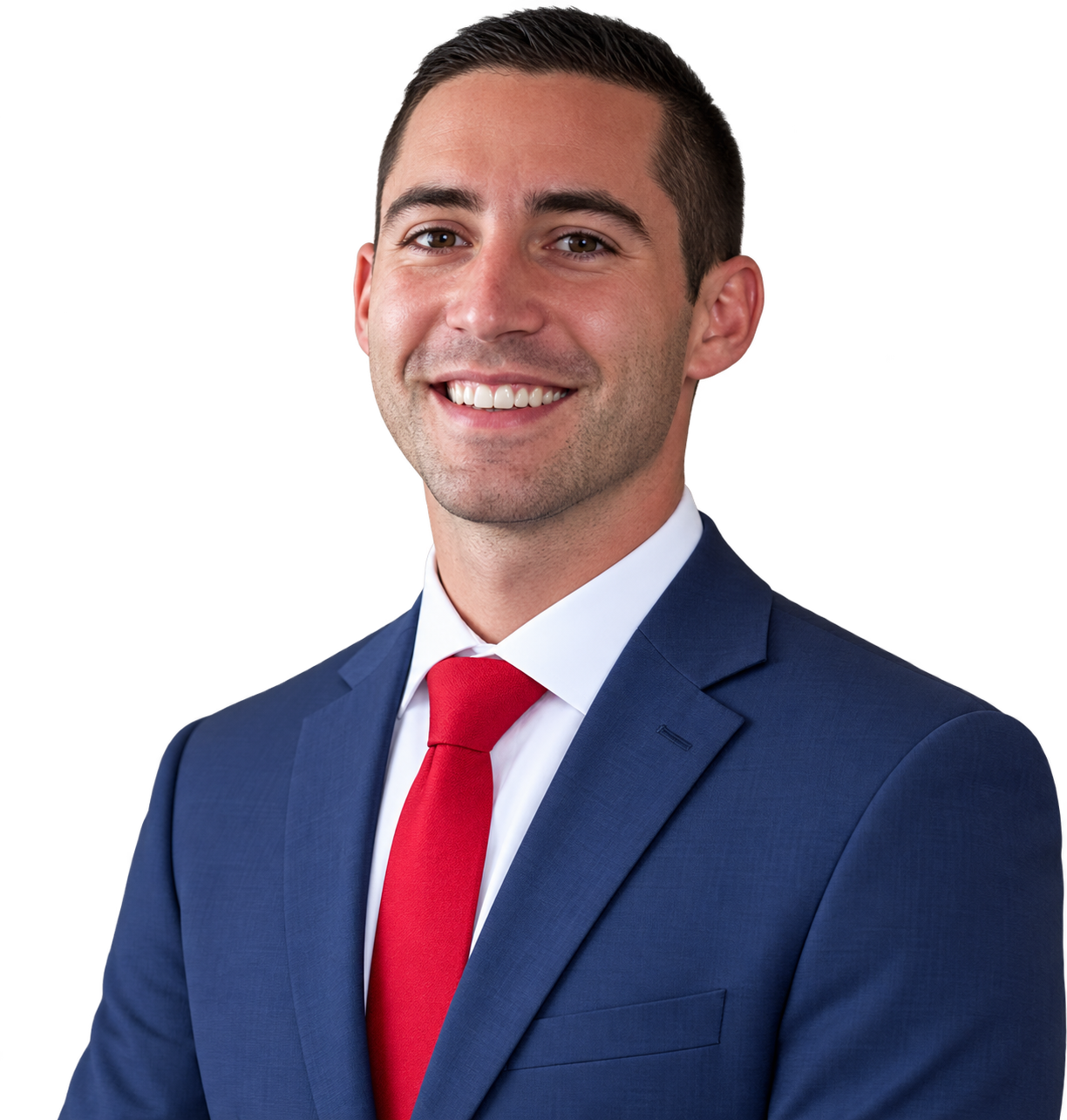
Charles Possino is the founding and managing partner of Verum Law, PLLC. He has represented individuals, corporate clients, and insurance entities in negligence, professional liability, and other civil disputes, and has taken cases through discovery, depositions, mediation, trial, and appeal.
He is admitted to The Florida Bar and to the U.S. District Courts for the Southern and Middle Districts of Florida, and he obtained a favorable appellate decision before Florida’s Sixth District Court of Appeal.
General orientation only. Florida dog-bite law and other theories depend on the animal, owner, location, warnings, conduct, and evidence.
Free Case ConsultationFlorida’s dog-bite statute does not make the owner’s prior knowledge the only route to liability, but the complete statutory conditions and defenses must be reviewed.
Animal-control or law-enforcement reporting may help document identification and public-health issues; appropriate steps depend on the incident and local procedures.
Contemporaneous photographs can be useful if taken respectfully and safely, alongside qualified medical evaluation and records.
Employment, workers’ compensation, third-party, property, and insurance issues may overlap and require coordinated review.
Warnings can matter, but their effect depends on current law, wording, placement, the injured person’s age, location, and other facts.
Homeowner, renter, commercial, or other liability coverage may be relevant depending on the insured, animal, property, exclusions, and notice.